
bathroom mirror cut to size
Precision Spirit Level Measuring with Confidence to 0.01 mm/m In the world of construction, engineering, and craftsmanship, precision is not just a luxury; it's a necessity. One of the indispensable tools that enables professionals to achieve unparalleled accuracy is the precision spirit level. Specifically, a precision spirit level with an accuracy of 0.01 mm/m represents the pinnacle of precision measurement instruments, and it plays a crucial role in various applications. Why Precision Matters Accuracy in measurements is paramount for several reasons. In construction, for instance, slight deviations can lead to structural failures or significant functional issues. When building homes, bridges, or other structures, even a minor miscalculation can result in misalignment, leading to safety hazards. Engineers and builders, therefore, require tools that offer remarkable precision to ensure that every part of a structure is aligned correctly. Understanding the Precision Spirit Level A precision spirit level is a calibrated tool featuring one or more liquid-filled vials, which contains a small bubble. When the level is placed on a surface, the bubble moves within the vial to indicate alignment. For levels with a sensitivity of 0.01 mm/m, the bubble’s position allows users to assess the flatness or alignment of the surface with exceptional accuracy. This level of precision is particularly valuable in environments where even the smallest imperfections can have significant repercussions. Applications of Precision Spirit Levels 1. Construction and Architecture In the construction of high-rise buildings or intricate architectural designs, precision spirit levels assist architects and builders in achieving the correct angles and alignments. They are essential when installing beams, walls, and flooring to ensure that everything is perfectly level, allowing for aesthetic appeal and structural integrity. precision spirit level 0.01 mm m 2. Machinery and Equipment Installation The assembly and alignment of machinery often require high precision. A 0. 01 mm/m spirit level ensures that machines are installed accurately, promoting efficiency and reducing wear during operation . When machinery runs on a level surface, it functions better and lasts longer. 3. Furniture Making Woodworking is an art that demands precision. Craftsmen utilize precision spirit levels to align furniture components accurately. Whether creating a simple chair or an intricate cabinet, the level ensures that pieces fit together without unwanted gaps or misalignments. 4. Scientific Research In laboratories and research facilities, precision spirit levels are utilized to calibrate instruments and ensure that experiments are conducted on level surfaces. This accuracy is critical, especially when working with sensitive equipment that may be affected by minor inclinations. 5. Home Improvement Projects DIY enthusiasts also benefit from the use of precision spirit levels. Whether hanging a picture frame or installing shelves, using a tool with such fine precision helps achieve professional-looking results, eliminating the frustration of crooked installations. Choosing the Right Precision Spirit Level When selecting a precision spirit level with a sensitivity of 0.01 mm/m, consider several factors, including the length of the level, the material it is made from, and its design. Longer levels generally provide more accuracy, especially over larger distances, while levels made from durable materials ensure longevity. Additionally, a well-designed level with clear vial markings makes it easier for users to read measurements quickly and accurately. Conclusion In conclusion, the precision spirit level with an accuracy of 0.01 mm/m stands as a testament to human ingenuity in the pursuit of perfection. It empowers professionals across various fields to achieve precise measurements that are vital for the integrity and aesthetic appeal of structures, machinery, and products. Investing in a high-quality precision spirit level not only enhances the quality of work but also assures confidence in the measured results. Whether you are a seasoned engineer, a dedicated craftsman, or a DIY enthusiast, embracing precision in measurement tools will undoubtedly elevate your work to new heights.
about
bathroom mirror cut to size
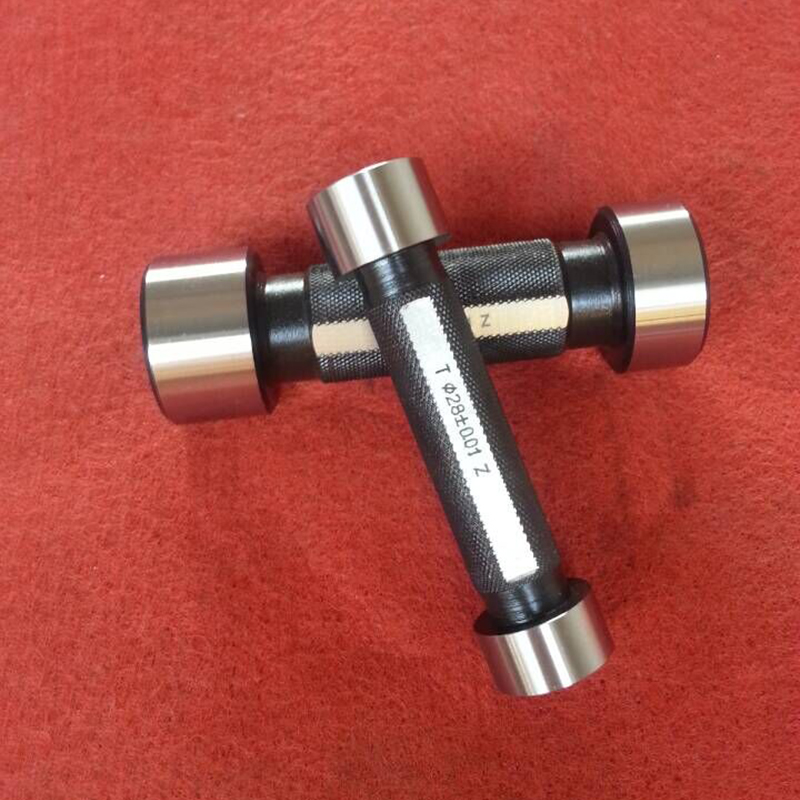
Understanding Gauge Pin Class A Key Component in Manufacturing Precision In the world of manufacturing and engineering, precision is paramount. One of the essential tools that help engineers and machinists ensure their workpieces meet tight tolerances is the gauge pin. Specifically, gauge pins come in various classes, each designed for specific measurement needs. This article delves into the concept of gauge pin classes, their importance, and how they contribute to quality assurance in manufacturing processes. What is a Gauge Pin? A gauge pin is a cylindrical tool used to check the dimensions of holes and slots in machined parts. They are often manufactured to strict tolerances and can be both go and no-go types. A go gauge pin will fit into the hole if it meets the specified dimensions, while a no-go pin will not fit if the dimensions are correct. This binary measure is crucial in ensuring that parts meet the required specifications for functionality, particularly in high-precision fields like aerospace, automotive, and medical device manufacturing. Classes of Gauge Pins Gauge pins are categorized into classes based on their tolerance levels, which dictate their application. The most commonly referenced classes include 1. Class A (Commercial Grade) This class of gauge pins offers general-purpose usability and is typically used in environments where high precision is not critical. They are less expensive than higher-class pins and are suitable for standard applications, such as basic assembly checks. 2. Class B (Precision Grade) Offering tighter tolerances than Class A, Class B gauge pins are used in applications where moderate precision is needed. They strike a balance between cost and accuracy, making them a popular choice for various machining and inspection tasks. 3. Class C (High Precision Grade) These gauge pins exhibit the tightest tolerances and are used in situations where absolute precision is critical. Class C gauge pins are often employed in high-stakes environments, including aerospace and medical applications, where even the slightest deviation can have severe consequences. gauge pin class The classification of gauge pins is vital in determining their applicability in different scenarios. Engineers and quality control professionals must select the appropriate class to ensure product reliability and compliance with engineering specifications. Importance of Gauge Pin Classes in Manufacturing The use of gauge pins in manufacturing cannot be overstated. They play a crucial role in quality control and assurance processes. Here's why selecting the right class is important - Accuracy Different classes of gauge pins allow manufacturers to achieve varying degrees of accuracy. Using a gauge pin with inappropriate tolerances can lead to faulty measurements, resulting in defective products. - Cost-Efficiency By choosing the right class of gauge pins for specific tasks, manufacturers can optimize costs. Using a Class A pin for non-critical applications prevents unnecessary spending on high-precision tools when they are not needed. - Process Improvement Incorporating gauge pins into the manufacturing process improves the overall reliability of the product. Regular checks using the right class of gauge pins can identify issues early, reducing waste, rework, and production time. - Compliance and Standards Many industries are subject to stringent regulatory standards. Using gauge pins that conform to specific classes ensures that manufacturers meet these standards, thereby enhancing product safety and performance. Conclusion In conclusion, gauge pins are an indispensable tool in the manufacturing industry, providing a straightforward means of ensuring dimensional accuracy. By understanding gauge pin classes, engineers and quality control professionals can make informed choices that enhance precision and maintain high standards of quality. As industries continue to evolve and demand ever-higher levels of precision, the role of gauge pins in manufacturing will only grow more critical, underscoring the importance of their classification and application in ensuring successful outcomes.
-

High quality industrial productsagement

High quality industrial products
View Details -

Meet the diverse needs of customers

Meet the diverse needs of customers
View Details -

Strict quality control

Strict quality control
View Details -

Top raw materials

Top raw materials
View Details -

Trusted supplier

Trusted supplier
View Details
Our application

news and information

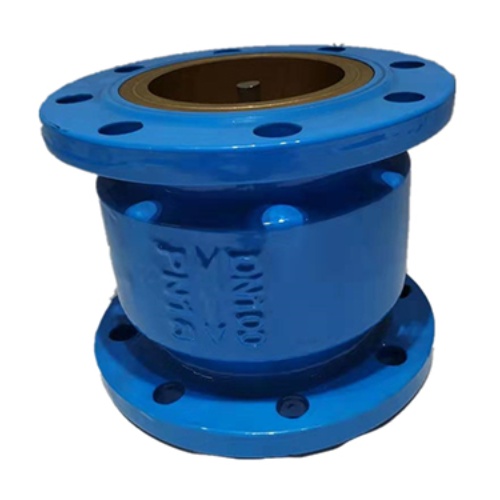
water pressure control valve
Understanding Water Pressure Control Valves Water pressure control valves are essential components i
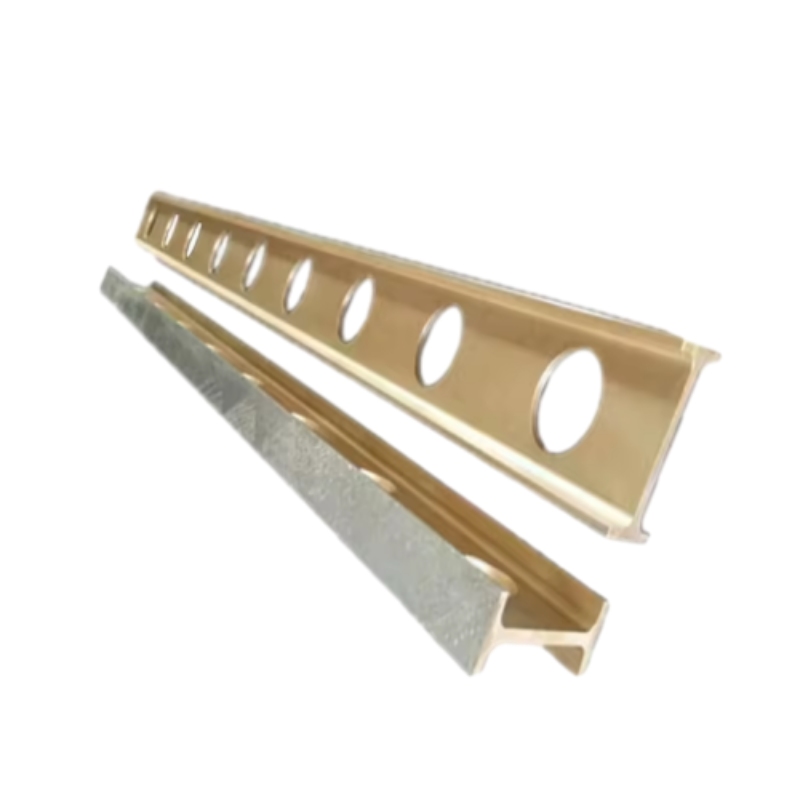
What is the Difference Between Butterfly Valve and Gate Valve
Butterfly valves and gate valves have significant differences in multiple aspects, mainly reflected
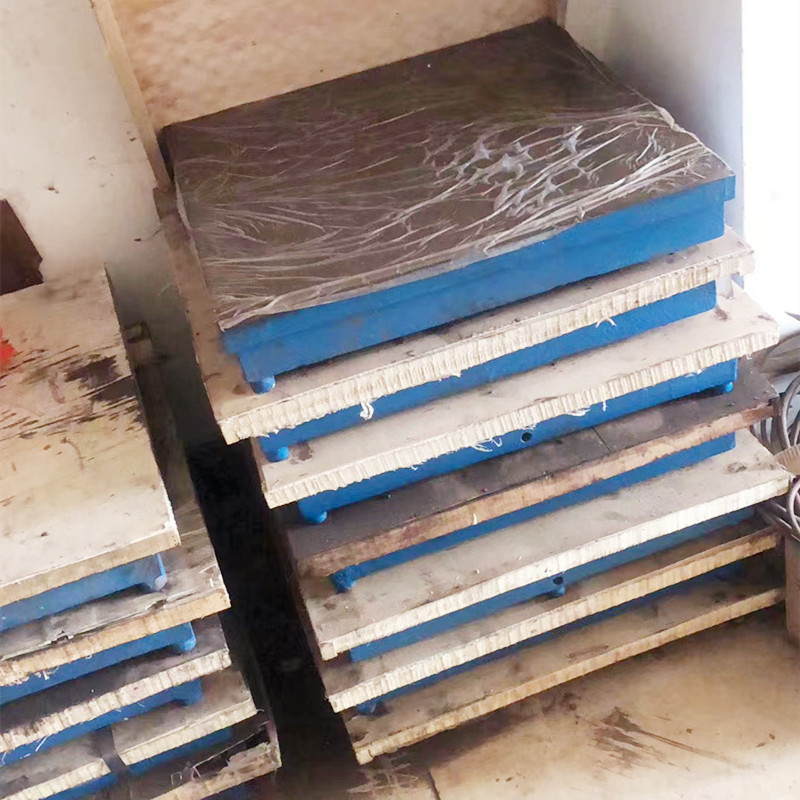
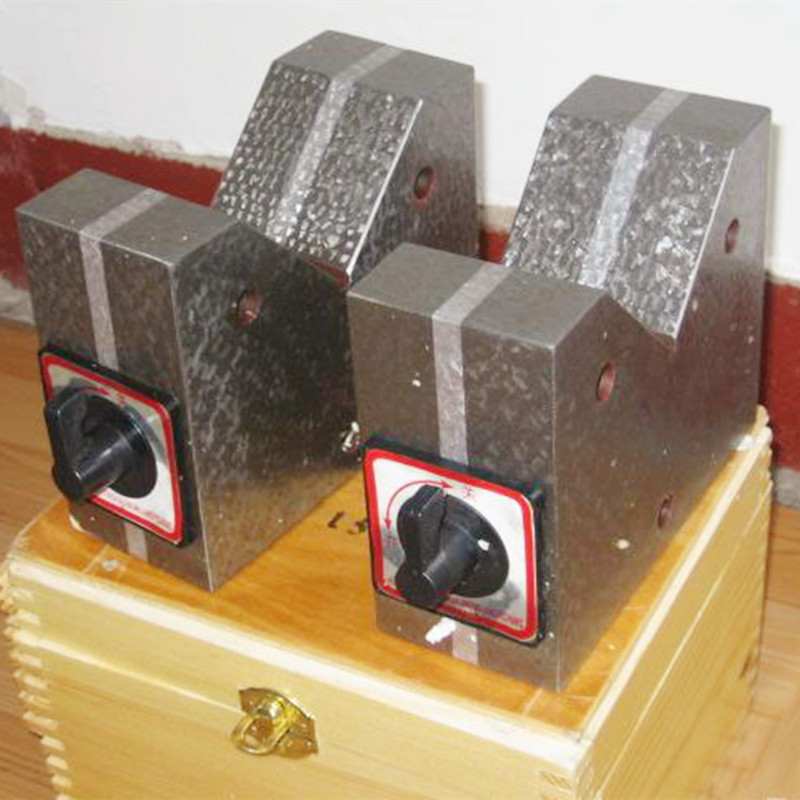
V Blocks for Sale – Precision V Block Types & Cast Iron Vee Blocks
Storaen (Cangzhou) International Trading Co. Official Website: https://www.strmachinery.com E-mail:
 English